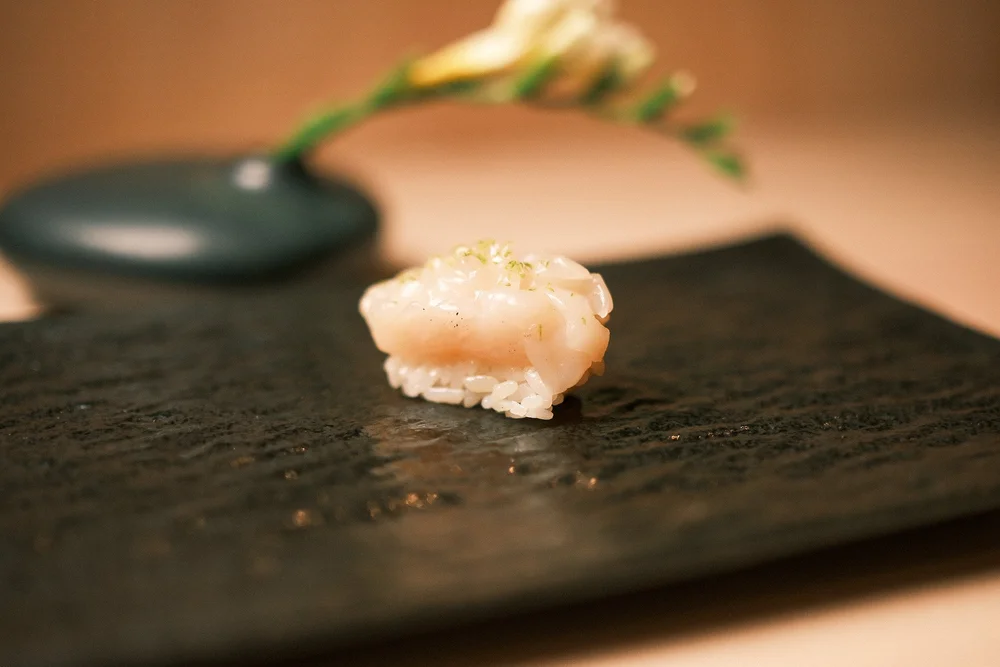
Sake and sushi are natural partners. Both are built on rice, and the best sake complements sushi rather than competing with it. But with hundreds of sake varieties available, choosing the right one can feel overwhelming. This guide breaks it down into practical, usable knowledge.
Why Sake and Sushi Work Together
The foundation is simple: sushi rice is seasoned with rice vinegar, and sake is brewed from rice. They share a common base, which means sake tends to harmonize with sushi rather than clash. Wine, with its tannins and higher acidity, can overpower delicate fish. Beer can fill you up before the omakase is done. Sake sits in a sweet spot — flavorful enough to enhance, subtle enough not to dominate.
Understanding Sake Categories
You don’t need to memorize the entire sake classification system. Here are the categories that matter most for sushi pairing:
- Junmai — Pure rice sake, no added alcohol. Tends to be fuller-bodied with more umami. Good with richer fish.
- Ginjo / Junmai Ginjo — More polished rice (at least 40% removed). Lighter, more aromatic. Good with delicate white fish.
- Daiginjo / Junmai Daiginjo — Highly polished (at least 50% removed). The most refined, with fruity and floral notes. Excellent with premium omakase courses.
- Yamahai — Traditional fermentation method that produces earthier, more complex sake. Pairs well with dry-aged fish and bold flavors.
- Nigori — Unfiltered, cloudy sake. Creamy and sweet. Best as a dessert sake or with very rich dishes.
Pairing by Flavor Profile
At Atto Sushi, we organize our sake menu by flavor profile rather than technical classification. Here’s how each profile matches with different types of sushi:
Light & Crisp
Best with: delicate white fish, shellfish, early omakase courses
Clean, refreshing sake with bright acidity. These pair beautifully with hirame, tai, hotate, and other subtle flavors where you don’t want the sake to overshadow the fish. Our Hakkaisan Tokubetsu Junmai from Niigata is a classic example — crystal clear and perfectly balanced.
Fruity & Floral
Best with: medium-rich fish, salmon, slightly fatty cuts
Aromatic sake with melon, pear, or floral notes. These complement salmon, hamachi, and medium-fat cuts where the sake’s fruitiness echoes the richness of the fish without competing. Dassai 45 Junmai Daiginjo from Yamaguchi is a crowd favorite in this category.
Earthy & Savory
Best with: dry-aged fish, umami-heavy courses, rich tuna
Fuller-bodied sake with savory depth. This is the natural partner for dry-aged sushi — the sake’s umami amplifies the umami in the fish, creating a resonant, satisfying pairing. Tedorigawa Yamahai Junmai from Ishikawa is exactly this kind of sake, and it’s exceptional with our aged otoro.
Unique
Best with: bold flavors, adventurous palates, final courses
Aged sake, rare styles, and unconventional selections. These are for guests who want to explore. Our Tengumai Yamahai Junmai, aged for two years, has a depth and complexity that rewards attention. Pair it with the richest courses of the omakase or enjoy it as a standalone experience.
Temperature Matters
Most premium sake for sushi pairing should be served slightly chilled (around 45–55°F). This preserves the delicate aromas and keeps the sake refreshing alongside the fish.
Warm sake (kan) has its place — particularly with earthier, junmai styles in winter — but at an omakase counter, cold or slightly chilled is the default. Ask the chef if you’re curious about trying a particular sake warm; some transform beautifully with heat.
A Few Things to Avoid
- Don’t default to beer. Beer is fine, but it fills you up fast during a multi-course omakase. Sake is lighter and more complementary.
- Don’t mix too many strong flavors. If you’re having sake with an omakase, one or two types across the meal is ideal. Switching between five different sakes muddies your palate.
- Don’t be afraid to ask. Our chef and staff can recommend the right sake for any course. That’s what we’re here for.
Explore our sake selection. View the full sake menu or reserve your omakase.