Our Chef
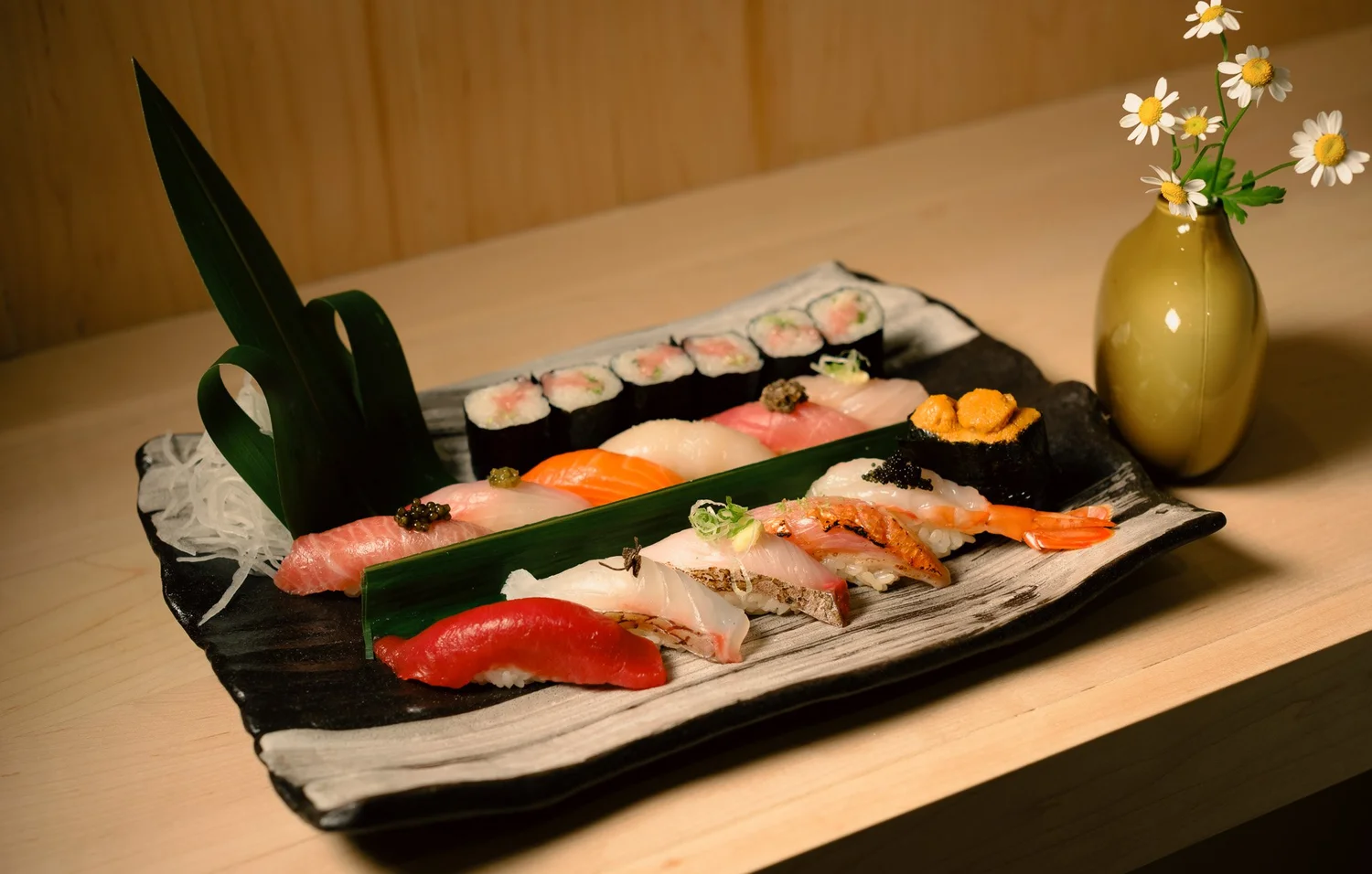
Atto Sushi specializes in Edomae-style omakase, a traditional approach that celebrates the flavors of rice and seasonal seafood. The chef carefully ages select fish to enhance both texture and flavor.
Aging allows the texture to soften and the flavors to deepen, creating a harmonious balance. The technique is most notably applied to medium-fatty tuna, which develops a melt-in-your-mouth texture with concentrated umami.
“Every piece of fish has its perfect moment — the point where aging has developed maximum umami while the texture remains pristine. Finding that moment is what we do.”
The Atto Philosophy
Dry-Aging as Craft
Dry-aging fish is not a trend for us — it’s a discipline rooted in centuries of Edomae tradition. We only age fish that genuinely benefits from the process. Not every fish should be aged, and knowing the difference is the mark of true expertise.
The Pursuit of Umami
Through patience and precise technique, we coax layers of umami from each fish. The conversion of ATP to inosinic acid, the gentle breakdown of proteins into amino acids — these biochemical processes are the invisible craft behind every piece at our counter.
The Aging Process
Why we age our fish
Texture
Fresh fish can be overly firm, making it harder to meld with sushi rice. Natural enzymes break proteins down into peptides and amino acids, and collagen degradation softens the flesh, creating a tender texture.
Umami
Enzymatic activity begins breaking down ATP, producing inosinic acid (IMP), a key source of umami. Proper aging maximizes IMP while preventing excessive breakdown, preserving an optimal balance of taste.
Selection
Aging time varies based on fish type, fat content, freshness, and desired taste profile. The chef selects only varieties that benefit from the process — not every fish should be aged.
Dry-aging fish for raw service requires professional sourcing, strict refrigeration, daily inspection, sanitation controls, and parasite-control practices where required. This explains flavor development, not a home-aging method.